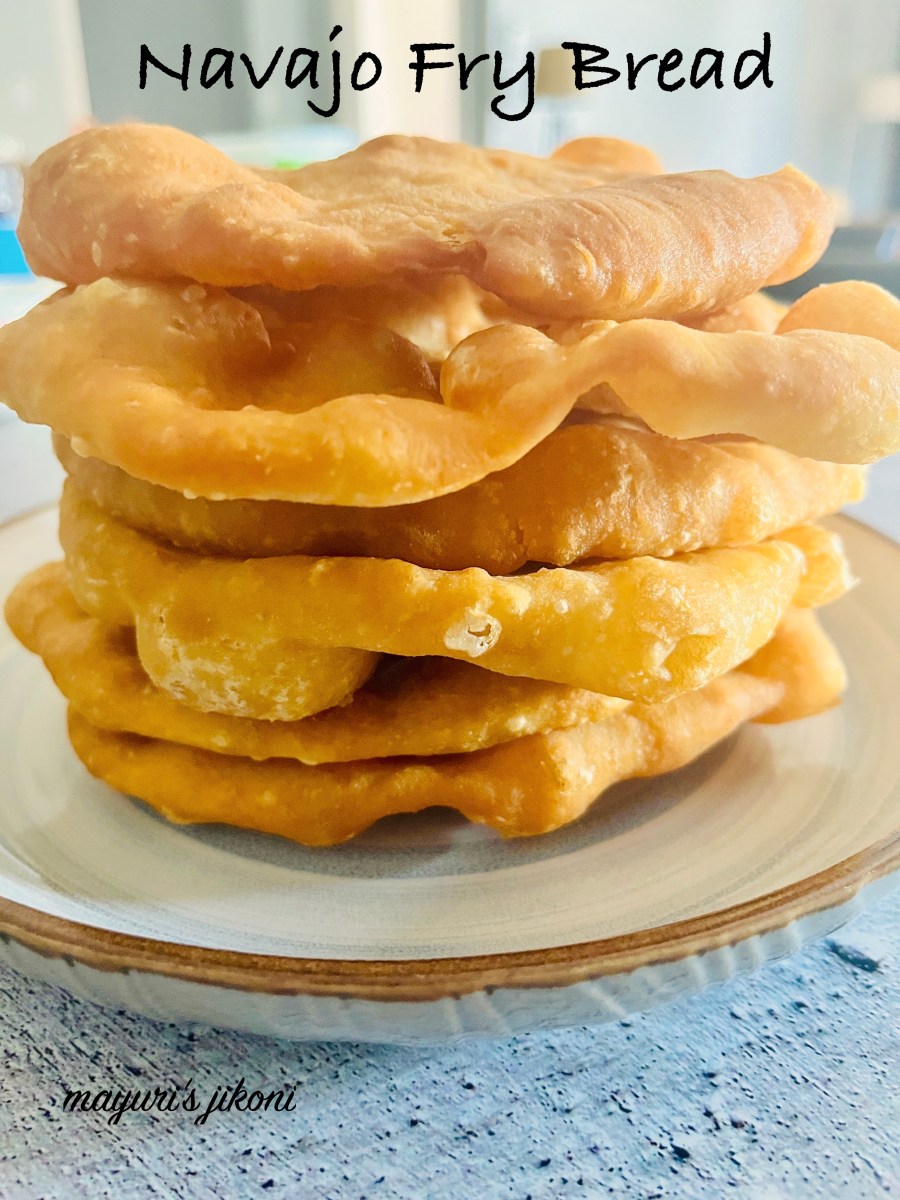
Navajo Fry Bread: Its Resilience, History, & Cultural Heart
Warm, ethereal, and subtly crisp, fry bread is a culinary masterpiece that transcends mere sustenance. For many, it evokes cherished memories of family gatherings, vibrant cultural events, and comforting home cooking. Yet, beneath its golden, inviting exterior lies a profound history—a story of hardship, ingenuity, and an unwavering spirit of resilience, particularly for the Navajo people.
Often described as a pan-fried flatbread, fry bread's soft, puffy interior and lightly crisp finish make it a versatile delight, equally at home as a savory meal or a sweet treat. But to truly appreciate its taste, one must first understand its journey, a path forged through adversity and solidified by cultural pride.
The Deep Roots of Navajo Fry Bread: A Story of Resilience
The origins of fry bread are inextricably linked to one of the darkest chapters in Native American history: the Long Walk of 1864. This forced displacement saw the United States government compelling thousands of Navajo people from their ancestral lands in present-day Arizona to journey over 300 miles to a desolate reservation in New Mexico. The new territory was barren, hostile, and utterly unsuitable for their traditional agricultural practices, which relied on corn, beans, and squash.
Facing starvation, the Navajo were provided with government rations—commodities that were a stark contrast to their accustomed diet. These rations typically consisted of processed flour, lard, sugar, and canned goods. It was from these limited and unfamiliar provisions that the ingenious Navajo people, driven by necessity, created fry bread. This simple yet satisfying dish served as a vital caloric anchor, transforming basic ingredients into something filling and comforting, a testament to their adaptability and will to survive. It became a symbol of making something nourishing and even beautiful from incredibly difficult circumstances.
A Culinary Canvas: The Versatility of Fry Bread Across Native American Tribes
What began as a survival food for the Navajo has since evolved into a beloved staple enjoyed by numerous Native American tribes across the United States. Today, variations of this cherished pan-fried flatbread can be found among the Seminole, Osage, Cherokee, and many others, each tribe adding its unique touch and story to the recipe. While the core ingredients—flour, baking powder, water, and salt—remain consistent, some recipes might incorporate milk, milk powder, shortening, or even yeast to achieve distinct textures and flavors.
The beauty of fry bread lies in its incredible versatility. It serves as the perfect canvas for a myriad of toppings, making it suitable for any meal or occasion. One of its most popular manifestations is the Fry Bread Explained: From Historic Staple to Versatile Treat, transforming it into a hearty meal piled high with seasoned ground meat, cheese, lettuce, tomatoes, and salsa. Conversely, fry bread effortlessly transitions into a delightful dessert. Drizzled with golden honey, dusted with powdered sugar like a delicate funnel cake, or sprinkled generously with cinnamon, it offers a sweet indulgence that can satisfy any craving. This adaptability ensures its place at festive gatherings, casual dinners, and family celebrations, making it far more than just food—it’s a centerpiece of community and joy.
Unlocking the Secret to Perfect Fry Bread: More Than Just Ingredients
Many aspiring home cooks dream of recreating that authentic, "food stand quality" fry bread—the kind that boasts a golden, crispy exterior and a cloud-soft, pillowy interior with that signature hollow center. The good news is, achieving this perfection is entirely within reach, and it often comes down to mastering a few key techniques rather than relying solely on a secret ingredient. As detailed in our comprehensive guide, Mastering Fry Bread: Secret Tips for Golden, Fluffy Perfection, the true magic unfolds through understanding dough rest and oil temperature.
The Importance of Resting the Dough
One of the most crucial, yet often overlooked, steps is allowing the dough to rest. After kneading the simple mixture of flour, baking powder, water, and salt until smooth, covering it and letting it rest for at least 20-30 minutes—or even longer—is paramount. Why? Resting allows the gluten in the flour to relax. When gluten is relaxed, the dough becomes more pliable and easier to work with, preventing it from snapping back as you try to shape it. More importantly, this relaxation contributes significantly to the final texture, ensuring a tender, airy, and soft interior rather than a dense, chewy, or tough result.
Perfecting the Oil Temperature
The second cornerstone of perfect fry bread is maintaining the correct oil temperature. Frying at the right heat is essential for creating that desirable puffed, crispy exterior while ensuring the interior cooks through to a tender consistency. If the oil is too cool, the dough will absorb too much oil, resulting in a greasy, soggy, and unappetizing fry bread. Conversely, if the oil is too hot, the exterior will brown too quickly, leaving the inside raw or undercooked. Aim for a temperature around 350-375°F (175-190°C). A simple way to test without a thermometer is to drop a small piece of dough into the hot oil; it should sizzle immediately and float to the surface within a few seconds, gently browning.
Beyond the Basics: Expert Tips for Success
- Kneading is Key: Don't under-knead. Work the dough until it's smooth and elastic. This helps develop the gluten just enough for structure without making it tough, especially when followed by resting.
- Fresh Baking Powder: Baking powder is the leavening agent responsible for the fry bread's characteristic puffiness. Ensure your baking powder is fresh for optimal results.
- Shaping Consistency: Roll or pat your dough into relatively thin, even discs. This ensures even cooking and promotes that beautiful puff. A small hole in the center of the dough disc is often made to help it cook evenly and prevent a large bubble from forming.
- Oil Choice: Use a neutral oil with a high smoke point, such as canola, vegetable, or peanut oil.
Once you understand that the combination of properly rested dough and hot oil is the secret handshake to "food stand quality" fry bread, you'll find this seemingly complex dish becomes a signature Native American staple you can confidently create at home.
Beyond the Plate: Fry Bread's Enduring Legacy
Fry bread is more than just a recipe; it's a living artifact, a cultural touchstone that embodies the enduring spirit of Native American communities. From its origins as a dish born of necessity during a period of immense suffering, it has transformed into a celebrated symbol of heritage, community, and continuity. It represents the ability to adapt, to innovate, and to find comfort and connection even in the harshest of circumstances.
Today, fry bread is a staple at powwows, tribal gatherings, family reunions, and everyday meals, serving as a delicious link between past and present generations. Each bite is a reminder of the resilience of the Navajo people and the rich culinary traditions that have been preserved and passed down. When you enjoy fry bread, you're not just savoring a delectable treat; you're participating in a story of survival, culture, and profound human strength.
From its humble, yet powerful, beginnings to its current status as a beloved culinary icon, Navajo fry bread stands as a testament to the strength, creativity, and enduring spirit of Native American cultures. It is a dish that carries history, comfort, and community in every golden, fluffy bite.
